
The Complete Guide to Fire Safety Systems for Commercial Buildings
22 July 2026
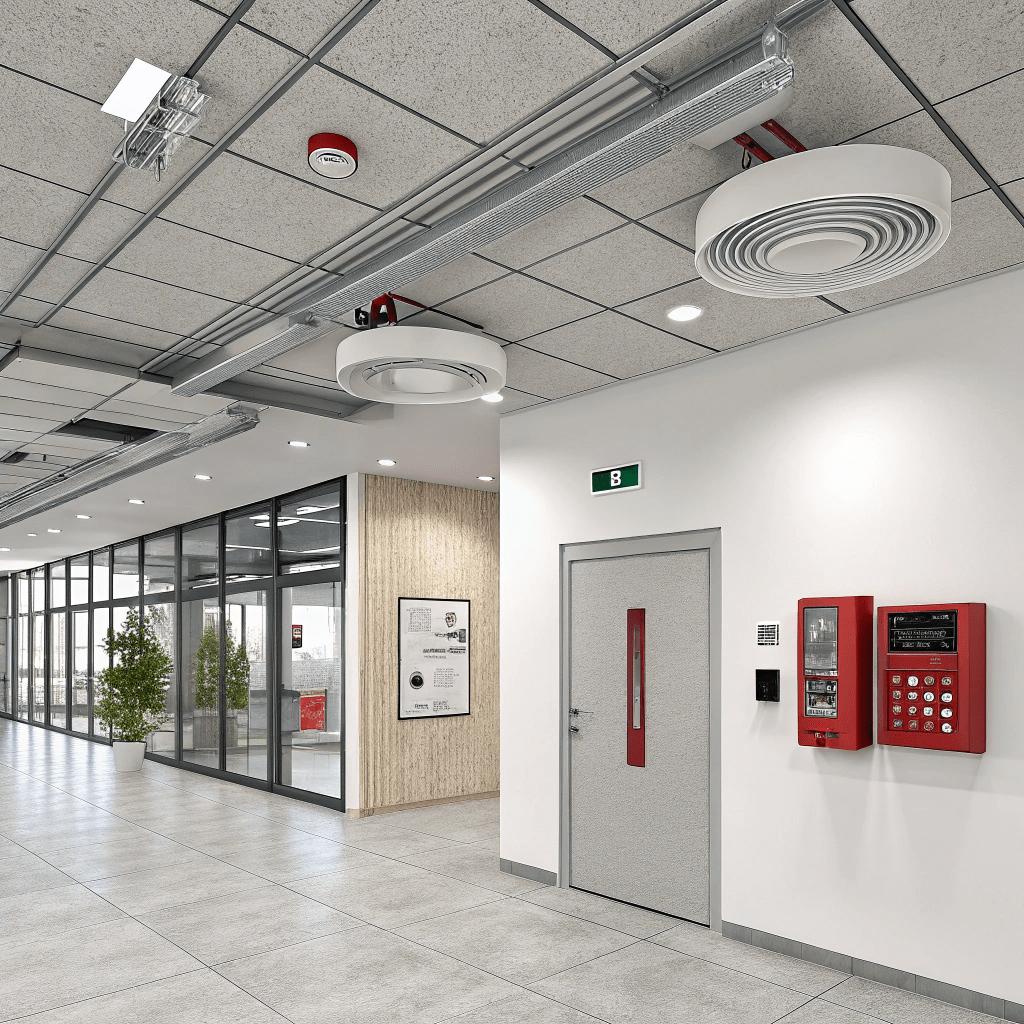
The Complete Guide to Fire Safety Systems for Commercial Buildings in 2026
Introduction
Fire is one of the most destructive hazards a business can face. Within minutes, a small spark can grow into a major emergency, threatening lives, destroying property, disrupting operations, and causing significant financial losses. While no one can predict when a fire may occur, every business can prepare by investing in a reliable fire safety system.
Whether you manage an office, factory, warehouse, shopping mall, hotel, hospital, educational institution, or residential complex, fire protection is not just a legal requirement—it is a responsibility. A well-designed fire safety system detects potential dangers early, alerts occupants, supports safe evacuation, and helps control fires before they spread.
At Sainik Digital Security, we provide complete fire protection solutions, including fire alarm systems, smoke detectors, heat detectors, sprinkler systems, fire extinguishers, emergency lighting, hydrant systems, and annual maintenance services. Our goal is to help businesses create safer environments while complying with industry standards and local fire safety regulations.
This comprehensive guide explains everything you need to know about commercial fire safety systems, their components, how they work, maintenance requirements, and how to choose the right solution for your facility.
Why Fire Safety Matters
A fire emergency can happen without warning. Electrical faults, overheating equipment, kitchen accidents, flammable materials, gas leaks, and human error are among the leading causes of commercial fires. The consequences can be devastating:
Loss of life and injuries
Damage to buildings and equipment
Business interruption and downtime
Financial losses
Legal liabilities
Loss of customer trust
Insurance complications
An effective fire safety system minimizes these risks by providing early detection and enabling a rapid response.
What Is a Fire Safety System?
A fire safety system is an integrated set of devices designed to detect, alert, control, and suppress fires. Instead of relying on a single piece of equipment, modern fire protection combines multiple technologies that work together to safeguard people and property.
A typical commercial fire safety system includes:
Fire alarm control panel
Smoke detectors
Heat detectors
Manual call points
Sounders and sirens
Strobe lights
Automatic sprinkler systems
Fire extinguishers
Fire hydrants and hose reels
Emergency lighting
Exit signs
Fire doors
Monitoring and notification systems
Each component plays a specific role, ensuring that occupants receive early warnings and have enough time to evacuate safely.
How a Fire Safety System Works
A modern fire safety system follows a sequence of actions designed to detect and respond quickly.
Step 1: Detection
Smoke detectors, heat detectors, or flame detectors continuously monitor the environment. Once they detect signs of fire, they send a signal to the fire alarm control panel.
Step 2: Alarm Activation
The control panel activates audible sirens, flashing lights, and voice evacuation systems to alert everyone in the building.
Step 3: Emergency Response
Occupants begin evacuation using designated emergency exits, while trained personnel assess the situation and contact emergency services.
Step 4: Fire Suppression
If installed, automatic sprinkler systems release water in the affected area to control or extinguish the fire before it spreads.
Step 5: Monitoring and Recovery
After the incident, the system logs events for review, helping businesses improve their emergency response plans and restore normal operations.
Common Causes of Commercial Fires
Understanding the causes of fire helps businesses take preventive measures.
Electrical Faults
Damaged wiring, overloaded circuits, faulty equipment, and poor maintenance are among the most common causes of workplace fires.
Prevention Tips
Schedule regular electrical inspections.
Replace damaged cables immediately.
Avoid overloading power outlets.
Use certified electrical equipment.
Flammable Materials
Improper storage of fuels, chemicals, paper, packaging materials, or cleaning products increases fire risks.
Prevention Tips
Store flammable materials in approved containers.
Keep storage areas well ventilated.
Clearly label hazardous substances.
Restrict access to authorized personnel.
Human Error
Careless smoking, unattended cooking, misuse of electrical appliances, or failure to follow safety procedures can quickly lead to a fire.
Prevention Tips
Provide employee training.
Display fire safety instructions.
Enforce no-smoking policies where applicable.
Conduct regular safety drills.
Overheating Equipment
Machines that operate continuously without maintenance may overheat and ignite nearby materials.
Prevention Tips
Perform preventive maintenance.
Monitor equipment temperatures.
Shut down faulty machinery immediately.
Why Early Fire Detection Saves Lives
The first few minutes of a fire are critical. Early detection allows occupants to evacuate safely and enables emergency responders to act before flames spread.
Modern smoke and heat detectors can identify a fire in its earliest stages, often before visible flames appear. This early warning reduces property damage and significantly improves the chances of a safe evacuation.
Types of Fire Detection Systems
Smoke Detectors
Smoke detectors identify airborne smoke particles and are commonly installed in offices, hotels, schools, hospitals, and residential buildings.
Advantages
Early fire detection
Fast response
Reliable operation
Cost-effective installation
Heat Detectors
Heat detectors activate when temperatures exceed a preset threshold or rise rapidly. They are ideal for kitchens, factories, warehouses, and areas where smoke detectors may trigger false alarms.
Advantages
Suitable for dusty environments
Resistant to false alarms
Reliable in high-temperature areas
Flame Detectors
Flame detectors use optical sensors to identify ultraviolet or infrared radiation produced by flames.
Common Applications
Oil and gas facilities
Chemical plants
Fuel storage areas
Manufacturing plants
Fire Safety Solutions for Different Industries
Every industry has unique fire risks. A one-size-fits-all approach is not enough, which is why fire safety systems should be designed based on the building type, occupancy, and operational hazards.
1. Office Buildings
Office environments contain computers, electrical equipment, furniture, paper documents, and server rooms, all of which can contribute to fire hazards.
Recommended Fire Safety Systems
Addressable fire alarm systems
Smoke detectors
CO₂ fire extinguishers
Emergency lighting
Fire exit signage
Access-controlled emergency exits
Fire-resistant doors
Benefits
Protects employees and visitors
Reduces equipment damage
Ensures business continuity
Meets workplace safety regulations
2. Warehouses and Logistics Centers
Warehouses often store combustible materials, packaging, chemicals, and inventory worth millions of rupees. Fires can spread rapidly in these environments.
Recommended Systems
High-sensitivity smoke detectors
Heat detectors
Automatic sprinkler systems
Fire hydrants
Hose reel systems
CCTV integration for monitoring
Emergency communication systems
Additional Recommendations
Clearly marked storage zones
Safe handling of hazardous materials
Routine electrical inspections
Fire compartmentalization
3. Manufacturing Plants
Factories present higher fire risks due to heavy machinery, electrical panels, fuel storage, welding activities, and industrial processes.
Recommended Systems
Flame detectors
Industrial fire alarm systems
Foam suppression systems
Fire hydrants
Emergency shutdown systems
Thermal cameras
Explosion-proof fire detection where required
Safety Practices
Lockout/tagout procedures
Equipment maintenance
Safe chemical storage
Employee safety training
4. Hospitals and Healthcare Facilities
Hospitals must protect patients who may not be able to evacuate quickly, making early detection and organized emergency response critical.
Recommended Systems
Smoke detectors
Addressable fire alarm systems
Voice evacuation systems
Emergency lighting
Fire-resistant doors
Automatic sprinklers
Backup power systems
5. Educational Institutions
Schools and colleges must protect students, teachers, laboratories, libraries, and administrative offices.
Recommended Systems
Smoke detectors
Fire alarms
Fire extinguishers
Emergency exit signage
Assembly point planning
Routine evacuation drills
6. Hotels and Hospitality
Hotels require continuous protection because guests may be unfamiliar with emergency exits.
Essential Systems
Smoke detectors in every room
Sprinklers
Fire-resistant doors
Voice evacuation systems
Emergency lighting
Kitchen suppression systems
7. Residential Apartments
Modern apartment complexes require centralized fire protection.
Typical installations include:
Fire alarm panels
Smoke detectors
Fire hydrants
Emergency lighting
Basement parking protection
Lift recall systems
Generator room protection
Fire Prevention Best Practices
Preventing fires is always better than responding to them. Businesses should implement practical measures to reduce fire risks.
Electrical Safety
Avoid overloading sockets.
Replace damaged wiring immediately.
Schedule periodic electrical inspections.
Use certified electrical equipment.
Housekeeping
Keep emergency exits clear.
Dispose of waste regularly.
Store combustible materials safely.
Maintain clean equipment rooms.
Employee Training
Employees should know:
How to identify fire hazards
How to use extinguishers
Evacuation routes
Emergency reporting procedures
Assembly point locations
Regular drills build confidence and reduce panic during real emergencies.
Common Fire Safety Mistakes Businesses Make
Even businesses with fire safety equipment can make mistakes that reduce effectiveness.
1. Blocking Emergency Exits
Emergency exits must never be obstructed by furniture, boxes, or equipment.
2. Ignoring Maintenance
A neglected fire alarm or empty extinguisher may fail during an emergency.
3. Expired Fire Extinguishers
Extinguishers require regular inspections and servicing to remain operational.
4. Poor Staff Awareness
Employees should know:
Alarm sounds
Exit routes
Emergency contacts
Evacuation procedures
5. Inadequate Signage
Exit signs should be visible from every occupied area.
6. Lack of Fire Drills
Fire drills reveal weaknesses in evacuation plans and improve preparedness.
Fire Safety Compliance and Standards
Commercial buildings should comply with applicable fire safety regulations and standards. While requirements vary depending on the building type and location, common expectations include:
Properly installed fire detection systems
Clearly marked emergency exits
Functional emergency lighting
Serviced fire extinguishers
Routine inspections and maintenance
Staff training and evacuation procedures
Documentation of testing and maintenance activities
Working with experienced professionals helps ensure systems are designed, installed, and maintained to meet relevant safety requirements.
Why Choose Sainik Digital Security?
At Sainik Digital Security, we believe that effective fire protection combines quality equipment, expert installation, and ongoing support.
Our Fire Safety Services
Fire Alarm System Installation
Smoke & Heat Detector Installation
Fire Extinguisher Supply and Maintenance
Fire Sprinkler Systems
Fire Hydrant Systems
Hose Reel Systems
Emergency Lighting
Fire Exit Signage
Fire Safety Audits
Annual Maintenance Contracts (AMC)
Fire Safety Consultation
System Upgrades and Testing
Why Businesses Trust Us
Experienced installation team
Customized solutions for every facility
High-quality products
Timely project completion
Preventive maintenance services
Responsive technical support
Cost-effective solutions
Focus on long-term reliability
Whether you operate a small office or a large industrial facility, our team works closely with you to design a fire protection solution that fits your needs and budget.
Frequently Asked Questions (FAQs)
1. What is a fire safety system?
A fire safety system is a combination of equipment designed to detect, alert, control, and suppress fires while helping occupants evacuate safely.
2. Why is fire safety important for businesses?
It protects lives, minimizes property damage, reduces downtime, and helps businesses meet safety requirements.
3. How often should fire alarms be tested?
Basic operational checks should be performed regularly, with comprehensive inspections carried out according to the manufacturer's recommendations and applicable regulations.
4. What's the difference between smoke and heat detectors?
Smoke detectors respond to smoke particles, while heat detectors activate when temperatures rise beyond a set threshold.
5. Do all sprinkler heads activate during a fire?
No. Typically, only the sprinkler heads exposed to sufficient heat will activate.
6. How often should fire extinguishers be serviced?
They should be visually inspected regularly and professionally serviced according to the manufacturer's guidance and local regulations.
7. Which extinguisher is best for electrical fires?
Carbon dioxide (CO₂) extinguishers are commonly used for electrical equipment because they leave no residue.
8. What is a fire hydrant system?
A fire hydrant system provides firefighters with access to a reliable, high-pressure water supply.
9. What is emergency lighting?
Emergency lighting operates during power failures, helping people locate exit routes safely.
10. What is a fire safety audit?
A fire safety audit is a detailed inspection of a building's fire protection systems, procedures, and preparedness.
11. Why are fire drills important?
They help occupants understand evacuation procedures and improve emergency readiness.
12. Can CCTV be integrated with fire safety systems?
Yes. CCTV can assist with incident monitoring, verification, and emergency response coordination.
13. What causes most commercial fires?
Common causes include electrical faults, overheating equipment, improper storage of flammable materials, and human error.
14. What is an addressable fire alarm system?
An addressable system identifies the exact detector or device that triggered the alarm, making it easier to locate the incident.
15. How can businesses reduce fire risks?
Regular maintenance, employee training, safe housekeeping, electrical inspections, and appropriate fire protection systems all contribute to reducing risk.
Final Thoughts
Fire safety is not simply about meeting regulations—it's about protecting people, preserving property, and ensuring your business can continue operating after an emergency. A comprehensive fire safety strategy combines prevention, early detection, reliable suppression, regular maintenance, and ongoing employee awareness.
Investing in professional fire protection today can prevent devastating losses tomorrow. From offices and schools to factories and warehouses, every building deserves a well-designed system that is tailored to its unique risks.
At Sainik Digital Security, we are committed to helping organizations build safer environments with trusted fire protection solutions, expert guidance, and dependable support.
Contact Sainik Digital Security
Ready to improve the fire safety of your business?
Our team can help you:
Assess your fire protection needs
Design a customized fire safety solution
Install reliable fire detection and suppression systems
Perform inspections and maintenance
Provide long-term technical support
Protect your people. Protect your property. Partner with Sainik Digital Security for complete fire safety solutions.
SEO Bonus
For even better search rankings, consider adding these sections to your blog page:
Related Services: CCTV Installation, Access Control Systems, Boom Barriers, Video Door Phones
Related Blogs:
The Complete Guide to CCTV Surveillance Systems for Businesses in 2026
The Ultimate Guide to Access Control & Biometric Security Systems
Call-to-Action Banner: "Book a Free Fire Safety Consultation"
Contact Form: Name, Company, Phone, Email, Service Required
Schema Markup: FAQ, Article, and Organization schema to improve search visibility.