
Fire Safety Systems: Essential Protection for Commercial and Industrial Buildings
15 September 2026
Fire Safety Systems: Essential Protection for Commercial and Industrial Buildings
Fire can turn a small incident into a major emergency within minutes. For businesses, factories, warehouses, offices, hospitals, schools and commercial buildings, having the right fire safety measures in place is essential for protecting people, property and business operations.
A reliable fire safety strategy is not simply about keeping fire extinguishers on the premises. It involves identifying potential risks, detecting fire at an early stage, providing appropriate firefighting equipment and ensuring that people can respond safely during an emergency.
Why Is Fire Safety Important?
Every building has different fire risks.
Electrical equipment, machinery, kitchens, storage areas, combustible materials and industrial processes can all create potential hazards.
A properly designed fire safety system can help organisations:
Detect fire quickly
Alert occupants during emergencies
Control the spread of fire
Support safe evacuation
Protect valuable equipment and property
Reduce potential business disruption
Key Components of a Fire Safety System
A complete fire safety solution may include several different technologies and equipment.
1. Fire Detection Systems
Early detection is one of the most important aspects of fire protection.
Fire detection systems can identify signs of smoke or fire and trigger an alarm, allowing occupants and security personnel to respond quickly.
Depending on the building, different types of detectors may be used in different areas.
2. Fire Alarm Systems
A fire alarm system provides an immediate warning when a fire-related event is detected.
Audible and visual alerts can notify people inside the building and support an organised emergency response.
For larger facilities, properly planned alarm coverage is especially important because people may be located far from the source of the incident.
3. Fire Extinguishers
Fire extinguishers are an important first-response tool for controlling small fires before they develop into larger emergencies.
However, different types of fires require different extinguishing agents.
The selection and placement of fire extinguishers should therefore be based on the specific risks present within the facility.
4. Fire Suppression Systems
Some environments require more than portable extinguishers.
Fire suppression systems can provide additional protection for areas containing valuable equipment, machinery or specialised fire risks.
The appropriate suppression solution depends on the application and the nature of the potential hazard.
5. Emergency and Evacuation Planning
Equipment alone cannot provide complete fire protection.
Employees and occupants should know what to do when an alarm is activated.
Clear emergency procedures, evacuation routes, signage and designated assembly areas can help people respond more effectively during an emergency.
Fire Safety for Different Types of Buildings
Offices
Offices may contain computers, electrical equipment, documents and other combustible materials.
Fire detection and alarm systems can provide early warning and help protect employees and business operations.
Factories
Manufacturing facilities can have machinery, electrical systems, chemicals, raw materials and production processes that require specialised fire protection.
A site-specific assessment is particularly important for industrial environments.
Warehouses
Warehouses can contain large quantities of packaging, inventory and other combustible materials.
Fire detection and appropriate firefighting equipment are essential considerations.
Hotels and Commercial Buildings
Hotels and commercial properties may have large numbers of occupants who are unfamiliar with the building.
Fire detection, alarm systems, emergency routes and clear evacuation procedures become especially important.
Schools and Educational Institutions
Schools need fire safety systems that protect students, teachers, staff and visitors while supporting a quick and organised response during emergencies.
Why a Site Assessment Matters
There is no single fire safety solution that works for every property.
The building's size, layout, occupancy, electrical systems, machinery, storage materials and operational activities all influence the appropriate solution.
A professional site assessment helps identify potential risks and determine where fire detection, alarm systems, firefighting equipment and other safety measures should be installed.
Regular Maintenance Is Essential
Installing fire safety equipment is only the beginning.
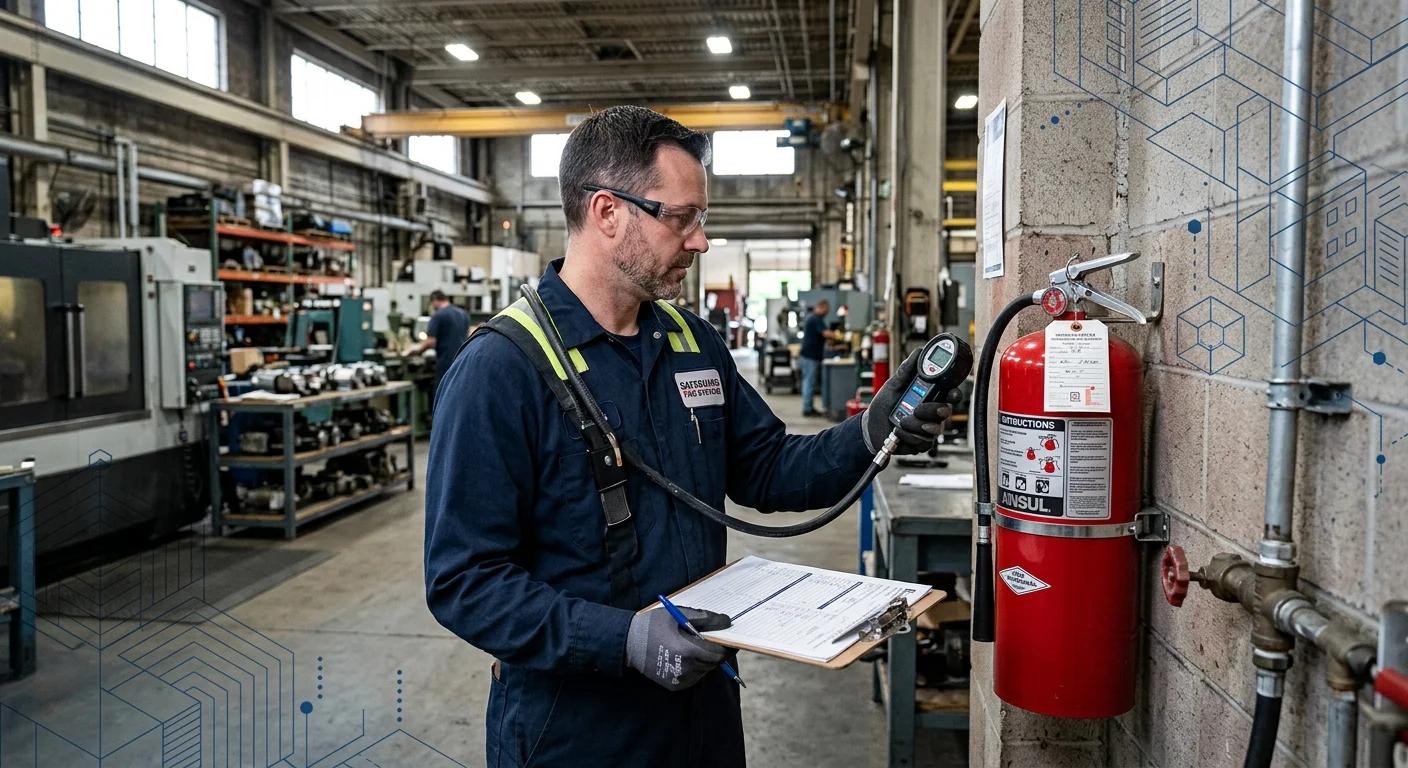
Systems and equipment should be inspected and maintained regularly to help ensure they remain ready when required.
Businesses should pay attention to:
Fire alarm functionality
Detector condition
Fire extinguisher status
Emergency lighting
Fire safety equipment accessibility
System connections
Battery and backup power
General equipment condition
Regular maintenance can help identify issues before they become serious problems.
Building a Complete Safety Strategy
Fire safety should form part of a property's wider security and safety infrastructure.
For example, a commercial facility may combine:
CCTV Surveillance + Access Control + Fire Safety + Traffic Safety + Emergency Management
CCTV can provide visibility, access control can regulate entry, and fire safety systems can help detect and respond to fire-related emergencies.
An integrated approach allows different safety and security systems to work together rather than operating as isolated solutions.
Why Choose Professional Fire Safety Solutions?
Selecting equipment based only on price can result in gaps in protection.
A professional security and safety provider can assess the property, understand its risks and recommend solutions appropriate for the environment.
Avyanta Enterprises provides fire safety solutions as part of its broader security and facility-protection services, helping businesses address their security requirements through a coordinated approach.
Final Thoughts
Fire safety is an investment in people, property and business continuity.
The right combination of detection systems, alarms, firefighting equipment, emergency planning and regular maintenance can significantly improve a facility's preparedness for a fire emergency.
Every building has different risks, which is why fire safety solutions should be planned according to the property's actual requirements.
Need help assessing your building's fire safety requirements?
Avyanta Enterprises can help businesses and organisations identify suitable fire safety and security solutions based on their site and operational needs.
Book a site assessment today and take a proactive approach to fire safety.